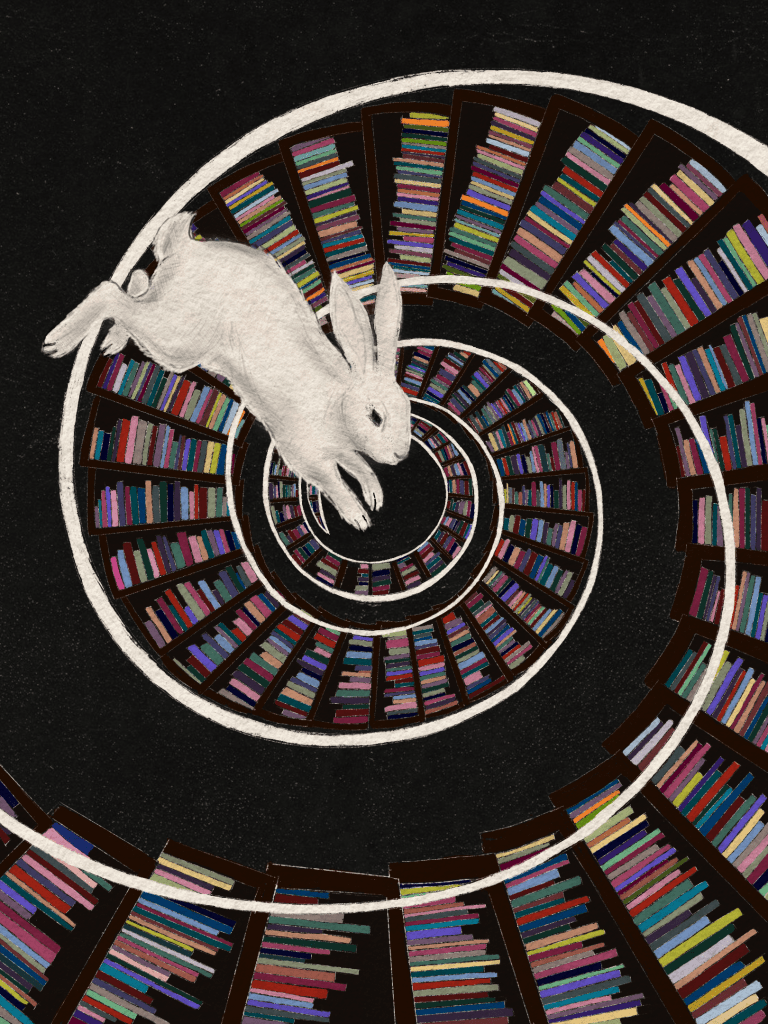
A relaxing afternoon with a coffee in hand should feel private. Yet, sitting in the courtyard, you can’t shake the nagging sense that you are being watched.
Tall rows of windows rise on all sides, reflecting the sky as they encircle you. As you finish your coffee, you glance at the empty cup and consider leaving it behind. You look up at the windows around you where some are dark and others have closed curtains. Because the glass catches the glare of the sun, the windows prevent you from seeing inside.
You have no way of knowing if a neighbour is standing behind a veil of lace or if the apartments are entirely empty. Even so, you find yourself standing up and walking the cup to the bin. You act with the self-consciousness of someone who is being observed because the architecture itself suggests a witness.
This feeling is the core mechanic of the Panopticon. The term comes from the Greek word panoptes, meaning “all-seeing”. Jeremy Bentham, an 18th century philosopher, originally envisioned the Panopticon as more than just a building. He saw it as a “mill for grinding rogues honest”. He proposed a circular prison with a central observation tower where a single guard could potentially watch hundreds of inmates at once.
Bentham’s design relied on the Asymmetric Gaze. By using specific lighting and shutters, the tower remained visible to the inmates, but the observer inside remained hidden. This created an unequal visibility where the prisoner was always a target of sight but never a viewer themselves. Bentham believed this simple architectural idea could extend beyond prison walls to schools, hospitals, and factories. By creating a system that shields authority from view, the responsibility for behavior shifts. In older systems of power, leaders used physical force to ensure compliance. This made the leaders visible targets during revolutions because they personally delivered the punishment.
This architectural philosophy has migrated from prison cells into the design of our everyday lives. Have you ever noticed that many modern offices consist entirely of glass walls, or how public courtyards are almost always encircled by windows? This architectural transparency is often intentional. We maintain our best selves in these spaces because the potential for a witness is always present. This system ensures social order through the presence of possibility. When we internalize the gaze of the observer, we become our own guards. We follow societal norms and maintain the peace because our environment encourages us to remain mindful of our actions at all times.
The Panopticon has traded physical force for psychological influence to create a world that is largely orderly and self-regulating.
However, this success leaves us with a profound set of questions regarding the future of our social structures. Is this invisible system a vital pillar of a safe society or is it a mechanism that prioritizes control over genuine character? We must consider whether we adhere to societal norms out of a sincere belief in them or if we are simply responding to the permanent uncertainty of being watched.
If the cameras and windows were all gone tomorrow, would we still know how to be ourselves or is this system the only thing keeping our modern world in balance?
The Panopticon didn’t stop with architecture. To understand how the “perfect prison” transitioned to digital data, explore these sources on the evolution of the Panopticon into the digital age:
Discipline & Punish – The Birth of a Prison – Michel Foucault
Alles im Blick: Das Panopticon als Vorreiter der Überwachung – SRF
What does the panopticon mean in the age of digital surveillance? – The Guardian
The Panopticon – Ethics Explainer
Are we heading for a digital prison? – Panopticon – Philosophize This!
Panopticon – Theory & Philosophy

Leave a Reply